Dental Implant Osseointegration: What Bone Fusion Means for Patients
Published September 2026 · Call (916) 886-1806
Overview
Searches for dental implant osseointegration and how dental implants fuse to bone usually mean someone wants a calm, patient-level picture of healing—not a gadget list or a marketing calendar. At 1999 Implants, osseointegration is the living-bone connection that develops along an implant surface so the fixture can eventually carry chewing loads as part of the jaw. This page explains that idea for people planning a visit at 9340 W Stockton Blvd, Suite 120, Elk Grove, CA 95758.
Bone contact after placement—said in everyday words
An implant is seated into prepared bone. Over the following weeks and months, bone cells remodel against that surface. When contact develops as intended, clinicians describe the result as osseointegration—stable bone-to-implant joining rather than a metal piece that merely sits in a hole. “Fusion” in this sense is biology language, not a claim that titanium melts into the jaw, and it is a different conversation from which temporary gum-line part is visible while soft tissue shapes. Bone density, surgical handling, bite forces, medical history, oral hygiene, and habits such as grinding or smoking can all influence how predictably contact forms. A website cannot grade your bone or announce that fusion is finished. Imaging, clinical testing, and your dentist’s exam do that work at Suite 120.
Why honest plans talk about protecting early healing
Early after placement, teams often limit micromotion so new bone contact is not interrupted. That is why check-ins, provisional designs, or delayed loading sometimes appear in a plan. Asking what the team is protecting—and how you will know the next restorative step is appropriate—is more useful than demanding a one-size schedule from an article. Factors that can reshape monitoring include grafting, soft-tissue management, opposing teeth, night-time clenching, medications that affect bone, and systemic conditions your physician already tracks. If a relative finished faster, their anatomy and medical context still are not yours. Suite 120 conversations should map your findings to a sequence.
Patient questions that clarify fusion without selling a timeline
Bring process questions that keep the visit educational:
• How will you decide when bone contact is ready for the next restorative step?
• Which symptoms during healing should I report sooner rather than later?
• If grafting or staged surgery is part of my plan, how does monitoring change?
• What habits (night guard, hygiene tools, smoking-cessation support) help protect the interface once a crown or provisional is discussed?
Write the answers in your own words before you leave so you are not reconstructing the visit from memory weeks later. Nothing here is clearance to chew harder, skip a recheck, or start loading the implant on your own because something you read looked reassuring.
For osseointegration and implant-healing questions tied to an exam at Suite 120, call 1999 Implants at (916) 886-1806.
Protecting early healing without guessing your own timeline
Osseointegration is the everyday word for bone knitting around an implant. Plans talk about protecting that early window because bite load, soft-tissue health, and home care all influence comfort; no article can guarantee exact weeks for every site.
Ask Suite 120 which chewing limits apply while integration is still early, which hygiene tools are safe around a healing abutment or buried cover screw, and which pain, mobility, or gum changes should shorten the wait. Bring prior surgical notes and medication lists. California care language on this page points to Suite 120 on West Stockton Blvd in Elk Grove—not a Midwest look-alike city name.
1999 Implants · 9340 W Stockton Blvd, Suite 120, Elk Grove, CA 95758 · (916) 886-1806
If something changes suddenly—swelling, bleeding, looseness, or pain that jumps—call (916) 886-1806 rather than waiting for the next scheduled visit. Confirm 9340 W Stockton Blvd, Suite 120, Elk Grove, CA 95758 when you book so navigation and door signage match. Educational content only; an examination is required before any care decision.
Published September 2026
Questions? Call (916) 886-1806. We will not text you from this page.
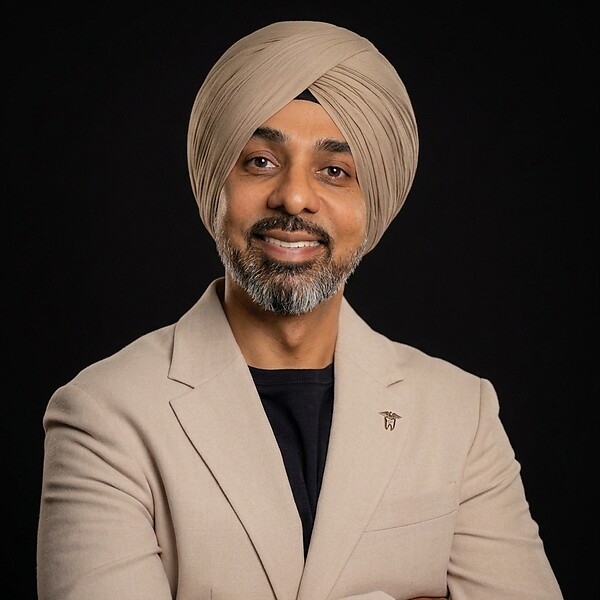
Send a photo. Hear from Dr. Sunny in 24 hours.
No pressure, no high-pressure sales call. Just a written treatment plan and a short video from the surgeon, so you can decide if implants are right for you on your own time.
Free Virtual Consult
A personal video answer from Dr. Sunny, within 24 hours