Dental Implant Primary Stability: Torque Education Owned by 1999 Implants
Published September 2026 · Call (916) 886-1806
Overview
People searching dental implant primary stability or implant torque explained usually overheard that a fixture felt “firm” at placement and want a patient translation—not a surgical textbook. At 1999 Implants, primary stability means the early mechanical hold of an implant in bone on the day it is seated, before longer-term remodeling takes over. Education for that early hold happens at 9340 W Stockton Blvd, Suite 120, Elk Grove, CA 95758. Call (916) 886-1806.
What “primary stability” names on day-of placement—without DIY scoring
Primary stability names how securely the fixture grips prepared bone when it first seats. Later stability grows as living bone adapts along the surface—a different chapter than the initial mechanical hold. A firm feel at placement does not lock a crown date, and a softer initial seat does not equal failure by itself. Teams combine clinical judgment, imaging when needed, and follow-up exams. A blog cannot score your torque reading or declare chewing loads safe. If a friend describes same-day teeth, remember their bone density, bite forces, and medical context are not yours. Suite 120 conversations should map your findings—not copy another patient’s schedule.
Torque as a clinical shorthand patients overhear, not a home checklist
Torque is one way clinicians describe insertion resistance during placement. Numbers can matter inside planning, but they are team tools—not a self-check from a website. Bone quality, implant design, preparation technique, and jaw site all influence how “firm” something feels. Immediate-load questions belong in that clinical frame. No article can give you a universal torque cutoff or promise immediate loading for every case. Useful patient questions sound like process, not DIY diagnosis:
• How does today’s primary-stability finding change whether a temporary restoration is even discussed?
• Which early symptoms should I report before the next scheduled check?
• If grafting or a staged approach is on the table, how does early monitoring shift?
• Which habits protect micromotion once a provisional is considered—night guard talk, soft-diet windows, smoking-cessation support?
Write answers in your own words before you leave so you are not reconstructing the visit weeks later.
When a provisional is discussed versus when the plan stays staged
Marketing language sometimes collapses “firm at placement” into “teeth today for everyone.” Honest plans separate curiosity from clearance. Immediate or early provisional options depend on exam findings, opposing teeth, grinding habits, medical history, and how the team protects micromotion. Asking why a wait appears on your timeline is fair; demanding a one-size calendar from an article is not. Education here does not equal permission to chew harder, skip a recheck, or self-start loading because the implant “felt solid” in a story you read. If something feels newly loose, painful in a new pattern, or swollen beyond written instructions, call rather than waiting for the next search.
For primary-stability and early-hold questions tied to an exam at Suite 120, call 1999 Implants at (916) 886-1806.
Primary stability in plain language—and what to ask next
Primary stability is how firmly an implant sits in bone on placement day. It is a clinical measurement conversation, not a promise that every site feels identical or that loading calendars are universal. Ask how primary stability interacts with soft-tissue healing, whether a healing abutment or cover screw is planned, and which early mobility or pain changes should shorten the wait.
Bring bone-graft history, night-guard use, and medication lists. Ask how the team protects early healing when stability numbers are modest versus when they are high. Educational content only—Suite 120 imaging and exam decide sequencing.
1999 Implants · 9340 W Stockton Blvd, Suite 120, Elk Grove, CA 95758 · (916) 886-1806
Published September 2026
Questions? Call (916) 886-1806. We will not text you from this page.
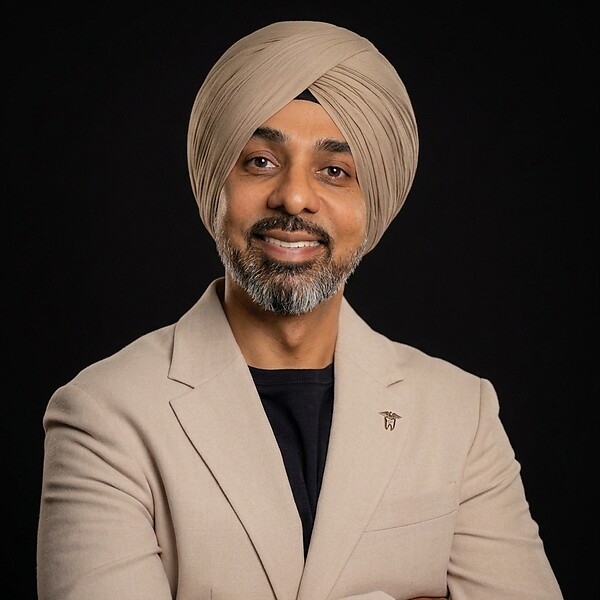
Send a photo. Hear from Dr. Sunny in 24 hours.
No pressure, no high-pressure sales call. Just a written treatment plan and a short video from the surgeon, so you can decide if implants are right for you on your own time.
Free Virtual Consult
A personal video answer from Dr. Sunny, within 24 hours