Soft-Tissue & Gum Health Around Dental Implants: Why Thickness Matters
Published September 2026 · Call (916) 886-1806
Overview
Healthy gum tissue is part of long-term implant comfort—not an afterthought. This article explains why soft-tissue thickness and quality matter, what recovery conversations often cover, and how broader gum health habits support implants.
Here the focus is soft-tissue health around implants: thickness, hygiene, and realistic recovery expectations you can ask about at Suite 120.
Why tissue thickness matters around implants
Implants do not have the same ligament attachment as natural teeth. The soft tissue collar around an implant helps:
• Seal and protect the underlying bone interface from constant food and bacteria exposure
• Create a comfortable contour around crowns or full-arch restorations
• Reduce food trapping and chronic irritation when thickness and attachment are adequate
• Support hygiene access so brushing and interdental cleaning are realistic day to day
Thin, fragile, or receding tissue can feel tender, look “long” at the gumline, or make cleaning harder. Those observations are reasons to ask a clinician—not to self-label online. Only an exam (and, when indicated, measurements or photos) can sort irritation, recession, or other soft-tissue needs.
Broader gum health still matters: untreated periodontitis around remaining teeth, tobacco use, uncontrolled diabetes, and poor plaque control can stress the tissues that protect implants. Education here is not a diagnosis of peri-implant disease.
Recovery expectations
If soft-tissue procedures or tissue-friendly implant staging are part of your plan, recovery talk is case-specific. Useful clarifying questions:
1. How thick or attached is the tissue around my implant sites today?
2. If thickening or grafting is discussed, what does healing typically feel like in the first days versus later weeks—for plans like mine?
3. Which foods, brushing changes, or rinses should I follow after soft-tissue work?
4. When is it normal to see pink firm tissue versus when should I call about bleeding, swelling, or looseness?
5. How do soft-tissue goals affect crown or prosthesis timing?
6. What home-care tools (soft brush, interdental aids) fit my restoration?
Do not treat a blog timeline as your personal schedule. Confirm written aftercare from your visit.
Everyday gum-health habits that support implants
Practical steps many teams discuss (confirm what fits your plan):
1. Brush gently twice daily around implant restorations with the technique your office prefers.
2. Clean between implants and teeth as directed—only tools your clinician recommends.
3. Keep implant maintenance visits; home care does not replace professional checks.
4. Share changes early: new bleeding, recession look, bad taste, or a restoration that feels different.
5. List medications, tobacco use, and medical history honestly—these factors can matter for tissue healing.
No product brand is hard-sold here.
Elk Grove, California office
1999 Implants 9340 W Stockton Blvd, Suite 120, Elk Grove, CA 95758 (916) 886-1806
Our office is in Elk Grove, California, not Elk Grove Village, Illinois.
Confirm findings with the care team.
Questions? Call (916) 886-1806. We will not text you from this page.
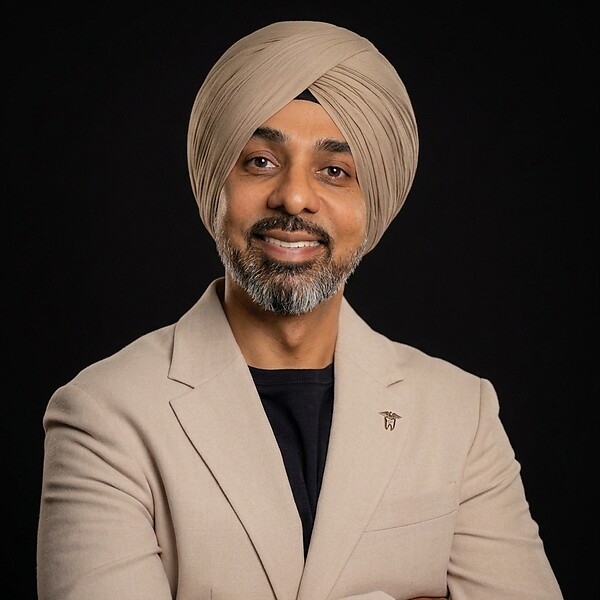
Send a photo. Hear from Dr. Sunny in 24 hours.
No pressure, no high-pressure sales call. Just a written treatment plan and a short video from the surgeon, so you can decide if implants are right for you on your own time.
Free Virtual Consult
A personal video answer from Dr. Sunny, within 24 hours