Speech After All-on-4 Implants: A Practical Adjustment Guide
Published September 2026 · Call (916) 886-1806
Overview
Speech can feel different after a full-arch implant restoration. Searches for speech after all on 4 and lisp after dental implants often reflect a practical concern: how to keep conversations comfortable while the mouth adapts. A restoration changes the surfaces that shape airflow and contact, but every person’s timeline is different. This guide offers preparation ideas, not a promise of instant speech or a diagnosis.
Why pronunciation can change
Your tongue, lips, cheeks, and palate coordinate around familiar teeth. A new full-arch prosthesis can change where the tongue meets the teeth and how air moves around sounds such as “s,” “z,” “t,” “d,” and “th.” Saliva, swelling, tenderness, and the amount of time you have worn the prosthesis can also affect clarity. A temporary and a later restoration may feel different as well.
A slight lisp, extra air, or an unfamiliar rhythm does not automatically mean something is wrong. It is useful to describe the specific sound and situation instead of judging the entire result. Does speech change more at the end of the day? Is one sound difficult? Does the prosthesis feel bulky, move, rub, or interfere with the tongue? These details help the dental team understand the concern.
Practice without forcing it
Once your clinician has given care and activity instructions, practice in short, low-pressure sessions. Read a paragraph aloud, slowly repeat words that contain the challenging sound, and record a brief sample for your own comparison. Speaking with a trusted person can help you notice progress without turning every conversation into a test. Hydration and regular breaks may make practice more comfortable.
Do not grind, file, bend, or otherwise alter the prosthesis yourself. Avoid judging speech from a single day, especially while tissues are changing. The goal is steady adaptation and useful feedback, not a deadline that applies to everyone.
Expected adjustment versus a reason to call
An unfamiliar feel, mild effort with certain sounds, or gradual improvement may fit an adjustment period. Call the dental team if clarity is not improving, if speech becomes harder after an adjustment, or if the prosthesis feels unstable. Also call for persistent rubbing, sore spots, pain, difficulty chewing, trouble swallowing, or a change that appeared suddenly. A loose or damaged restoration should be assessed rather than managed with household adhesive.
When you call, explain which sounds changed, when the change began, whether it is constant, and whether the prosthesis moves or causes a sore area. Bring recordings only if they help show the pattern; the clinician can also listen during the visit and check the fit and surrounding tissues.
Make the consultation productive
Bring the restoration-care instructions and a short list of questions. Ask what speech changes are expected for your specific stage, whether a fit check is appropriate, and which exercises are safe. If another clinician or dental professional is involved, ask how updates will be coordinated. Professional review can distinguish an adaptation concern from a fit or tissue issue without relying on online guesses.
1999 Implants provides consultations at 9340 W Stockton Blvd, Suite 120, Elk Grove, CA 95758. Call (916) 886-1806 to discuss speech after a full-arch restoration and the right next step. Your care team can set expectations based on an examination rather than an instant-speech promise.
Questions? Call (916) 886-1806. We will not text you from this page.
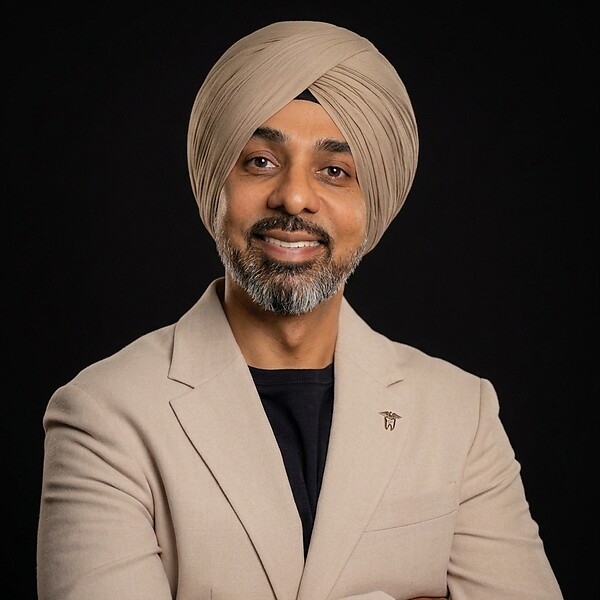
Send a photo. Hear from Dr. Sunny in 24 hours.
No pressure, no high-pressure sales call. Just a written treatment plan and a short video from the surgeon, so you can decide if implants are right for you on your own time.
Free Virtual Consult
A personal video answer from Dr. Sunny, within 24 hours